
June 19, 2026
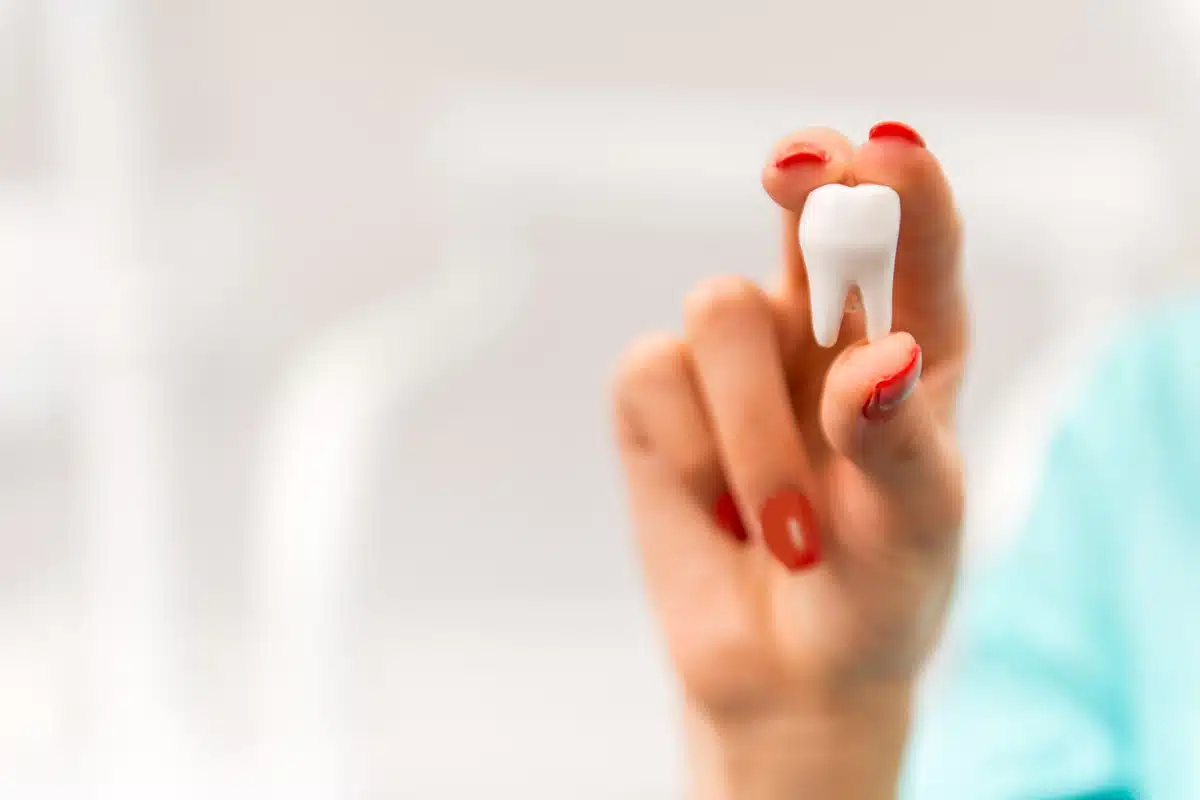
Wisdom teeth create more confusion than almost any other part of the mouth. One rumor continues to circulate online and among family members: can a wisdom tooth grow back after it has been removed?
The concern is understandable. Imagine going through a procedure, healing for weeks, and then hearing that the tooth might return years later. Many people delay treatment because they are unsure what is fact and what is fiction. Understanding the truth can help you make confident decisions about your oral health before small concerns become larger problems.
Patients often ask a dentist whether wisdom teeth can regrow after removal. The answer is usually no, but there are a few situations that create the illusion that a tooth has come back. Knowing the difference can prevent unnecessary worry and help you recognize when a professional evaluation is needed.
At Bethany Family Dental Portland, we believe informed patients make better decisions. Let us separate common myths from proven facts so you know exactly what to expect.
Could a Removed Wisdom Tooth Actually Grow Back?
The simple answer is no.
Once a wisdom tooth has been completely removed, it cannot regenerate or grow back. Human teeth do not regenerate after removal.
Unlike some animals that continuously replace teeth throughout their lives, humans develop only two sets of teeth. Once an adult tooth is gone, the body cannot naturally create another one.
If your wisdom tooth was fully removed, you do not need to worry about it returning years later.
However, this fact alone does not explain why so many people believe otherwise.
Why Do Some People Think Their Wisdom Tooth Came Back?
Several situations can create the impression that a wisdom tooth has returned.
A Hidden Tooth Was Never Visible
Some patients have extra wisdom teeth or additional tooth buds that remain hidden beneath the gums.
When one tooth is removed, a previously hidden tooth may gradually emerge later. This can appear as though the original tooth has grown back.
Small Tooth Fragments Remain Behind
In certain situations, a tiny piece of tooth may be intentionally left behind to avoid disturbing nearby nerves.
Over time, that fragment can move slightly within the gum tissue and become noticeable.
Normal Healing Changes
The healing process can create sensations that feel unfamiliar.
Patients sometimes mistake healing tissue, bone remodeling, or gum changes for a new tooth emerging.
These situations are uncommon, but they explain many stories about wisdom teeth supposedly growing back.
Is There Such a Thing as a Fifth Wisdom Tooth?
Surprisingly, yes. Some people develop extra teeth, a condition known as hyperdontia.
This rare condition can produce additional teeth beyond the normal adult set. In certain cases, extra molars develop behind existing wisdom teeth.
While uncommon, these extra teeth may explain why some individuals believe a removed wisdom tooth has returned.
This is one reason dentists rely on imaging rather than assumptions when evaluating new symptoms.
What Signs Should You Never Ignore After Wisdom Tooth Removal?
Healing generally progresses smoothly, but certain symptoms deserve attention.
Watch for:
- Persistent swelling
- Pain that worsens over time
- Difficulty opening the mouth
- Bad taste that does not improve
- Pressure in the back of the jaw
- Gum irritation near the previous treatment site
These symptoms do not necessarily mean a tooth is growing back. However, they may indicate another issue that should be evaluated promptly. Seeking professional dental care early often prevents more complex problems later.
Are Wisdom Teeth Always a Problem?
Not necessarily. Many wisdom teeth remain healthy and functional throughout life. Problems usually develop when there is not enough space for proper eruption.
Common concerns include:
- Crowding
- Gum irritation
- Trapped food particles
- Difficulty cleaning
- Pressure against neighboring teeth
The decision to remove wisdom teeth depends on the individual patient rather than a one-size-fits-all rule.
A thorough examination helps determine the best course of action.
How Does Portland’s Lifestyle Influence Oral Health Decisions?
Portland residents are known for embracing active lifestyles, outdoor recreation, and a strong food culture.
Whether you are enjoying a weekend at Washington Park, exploring Forest Park trails, or visiting local coffee shops and food carts throughout the city, oral health remains an important part of overall wellness.
Many people maintain busy schedules and postpone routine evaluations because symptoms seem minor.
Unfortunately, wisdom tooth concerns often progress quietly before becoming noticeable.
Families in Portland increasingly recognize the value of preventive evaluations because identifying potential issues early can help avoid unexpected discomfort later.
What Happens If a Wisdom Tooth Is Left Alone?
This depends on its position and overall health. A healthy wisdom tooth with adequate space may never cause problems. However, some wisdom teeth can cause hidden issues that patients may not notice. Potential concerns include:
Damage to Nearby Teeth
Pressure can affect neighboring molars over time.
Gum Inflammation
Partially erupted teeth are often harder to clean.
Increased Risk of Infection
Food and bacteria can become trapped around the tooth.
Difficulty Maintaining Oral Hygiene
Certain areas become difficult to reach with regular brushing and flossing.
When these risks are present, your dentist may recommend appropriate dental treatment before complications develop.
What Is the Biggest Myth About Wisdom Teeth?
The biggest myth is that all wisdom teeth eventually need to be removed. The reality is much different.
Modern dentistry focuses on preserving healthy teeth whenever possible. Treatment recommendations are based on clinical findings, symptoms, oral health history, and imaging results.
Another common myth is that wisdom teeth always cause pain before creating problems.
In reality, some issues develop silently for years. Regular examinations remain the best way to monitor their condition.
Looking for Answers You Can Trust?
When it comes to wisdom teeth, misinformation often spreads faster than facts. At Bethany Family Dental, we focus on helping patients understand what is actually happening in their mouths rather than relying on online myths.
Our team takes the time to evaluate each patient’s needs, explain findings clearly, and recommend solutions that support long-term oral health. Whether you have concerns about wisdom teeth, changing symptoms, or questions about preventive care, we are here to help.
If you are experiencing discomfort or simply want peace of mind, visit our dental office and let our team provide the guidance you deserve. Book an Appointment with Bethany Family Dental Portland today and take a proactive step toward protecting your smile.
Frequently Asked Questions
1. Can wisdom teeth grow back after they are removed?
No. A fully removed wisdom tooth cannot regenerate or grow back. New symptoms are usually related to healing changes, retained fragments, or additional hidden teeth.
2. How common are extra wisdom teeth?
Extra wisdom teeth are uncommon but possible. Some people develop additional molars due to a rare condition called hyperdontia.
3. Why does it feel like my wisdom tooth is returning?
Healing tissues, bone changes, or a previously hidden tooth can create this sensation. An examination can determine the actual cause.
4. Can wisdom teeth stay healthy forever?
Yes. Some wisdom teeth remain healthy and functional throughout life when they have enough space and can be cleaned properly.
5. When should I have my wisdom teeth evaluated?
Routine dental visits are the best time for evaluation. Early assessment helps identify potential concerns before symptoms develop.
Recent Posts

October 28, 2026
Fresh Breath Quest: Knowing When to Seek Dental Help for Bad Breath
October 22, 2026
Common Dental Problems and How a Dentist Can Help

October 12, 2026
Catching a $50 Cavity Before It Becomes a $2,000 Root Canal
October 7, 2026
Why Choosing a Cosmetic Dentist Can Change Your Life

September 25, 2026