
Facilities And Equipment
At Bethany Family Dental, Dr. Austria and his team utilize the latest technological advancements to enhance the quality and comfort of your dental care. This commitment to innovation has made us a trusted choice for family dental care in Portland. We invite you to contact us today and begin your journey toward a healthier, more beautiful smile!
Digital Imagery
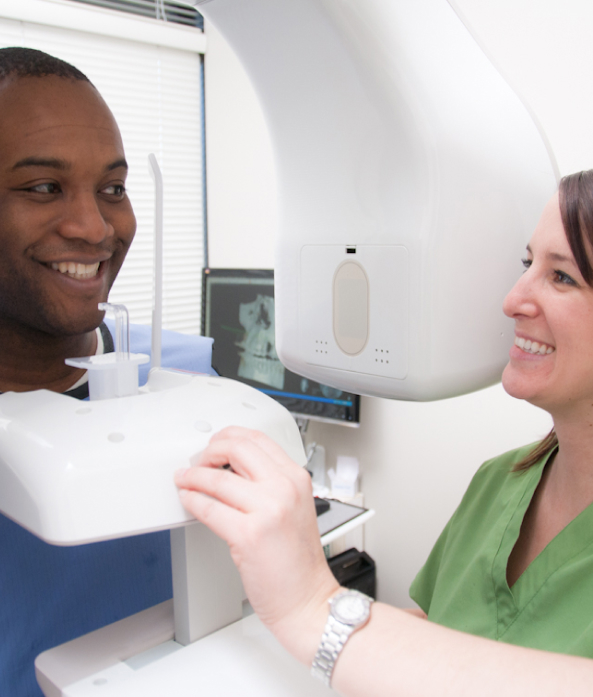
Digital imaging enables us to view beyond the capabilities of a traditional visual exam. This technology helps us identify cavities between teeth, assess bone health, and determine bone levels.
Dr. Austria can examine the roots and nerves of teeth, detect lesions like cysts or tumors, and assess any damage resulting from trauma.
X-ray scheduling is customized to meet the individual needs of each patient. Digital imaging reduces exposure time by about 50% compared to traditional methods, offering clearer patient images that can be quickly shared with specialists or insurance companies.
CT scans are essential for accurate surgical planning, identifying root fractures, and evaluating bone density.
Laser Surgery
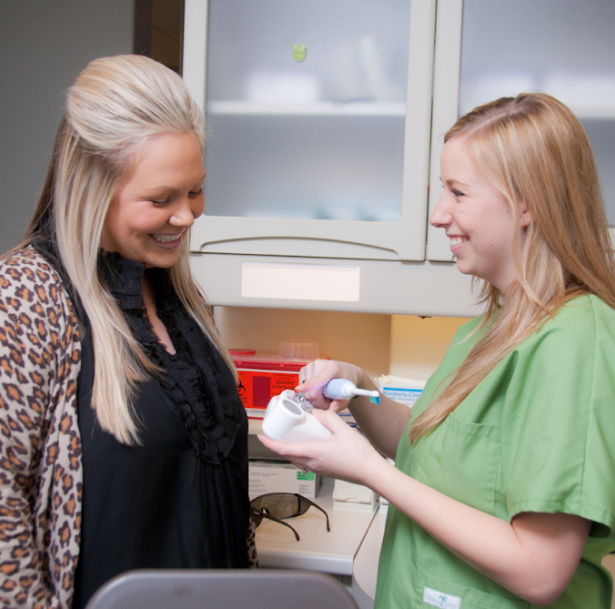
Dr. Austria is a certified provider of laser surgery techniques, offering non-invasive surgical solutions for patients dealing with periodontal disease. This cutting-edge technology allows for the removal of harmful bacteria from gum tissue without causing unnecessary pain or discomfort.
Laser surgery can be used to treat both mild and severe cases of periodontal disease, as well as remove excess gum tissue or perform cosmetic reshaping of the gum line.
Compared to traditional surgical methods, laser surgery preserves healthy gum tissue, avoids cutting and suturing, and significantly reduces bacteria, preventing recurrence.
Platelet Rich Plasma
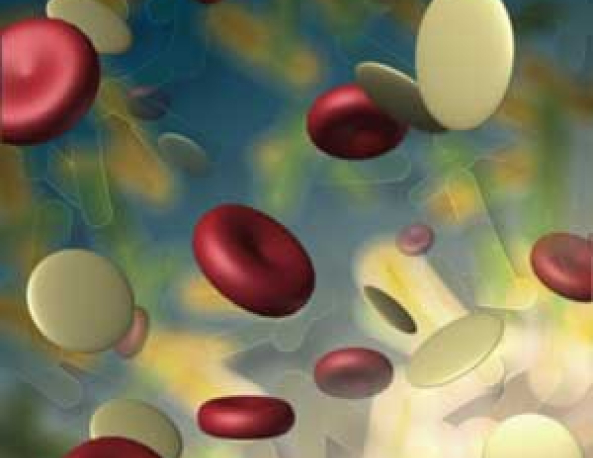
Platelet-rich plasma (PRP) is a blood by-product that is high in platelets. Although it has traditionally been used in hospitals to promote healing, recent advances have made it an effective option for dental procedures.
Platelets play a crucial role in the body's healing process by forming blood clots and releasing growth factors that stimulate tissue regeneration. This makes PRP highly effective in promoting faster recovery after dental procedures.
Dental Anxiety
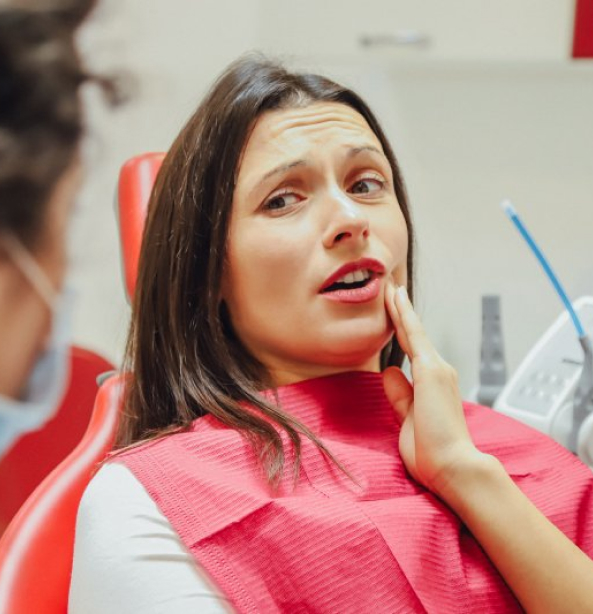
At Bethany Family Dental, we offer both conscious sedation and general anesthesia to help manage dental anxiety. Sedation methods, including oral anti-anxiety medication, nitrous oxide (laughing gas), or intravenous (IV) sedation, help patients relax during their treatments. In most cases, a local anesthetic is also administered to minimize pain.
General anesthesia is available for patients who prefer to be completely relaxed during treatment. This method, which doesn't require an injection in the mouth, can be performed in our office for reasonably healthy patients or at a hospital for those with a higher risk.
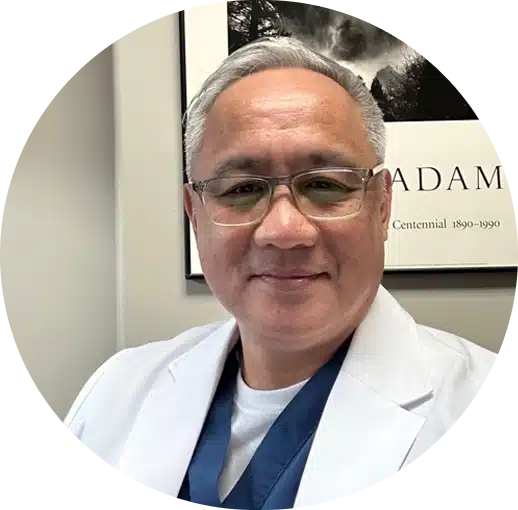
Meet Doctor Austria
Dr. Austria founded Bethany Family Dental, PC in 1999, being the first dentist to establish a practice in the Bethany area. He was drawn to the area by its community spirit, friendly atmosphere, and the active lifestyles of its residents.
Dr. Austria cherishes the relationships he has built with his patients over the years and is deeply honored to provide them with high-quality dental care. With over 25 years of experience in both general and specialty dentistry, Dr. Austria has undergone extensive postgraduate training and is certified to perform a variety of specialized dental procedures.
Meet Dr. Austria
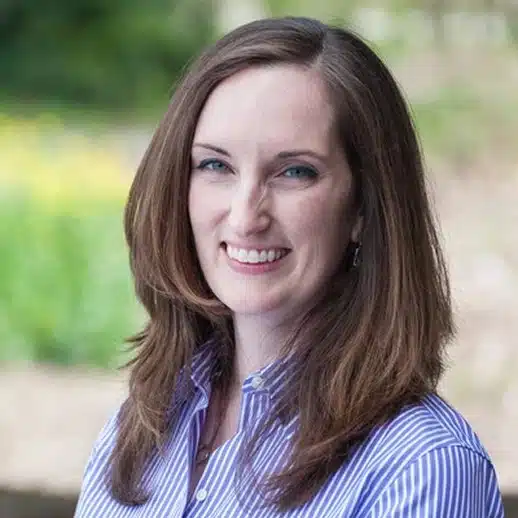
Meet Doctor Holden
Dr. Marion Holden is a compassionate and skilled general dentist with a deep commitment to improving oral health and helping patients reach their personal smile goals. As a Fellow of the American College of Dentists, Dr. Holden is committed to advancing excellence, ethics, professionalism and leadership in dentistry. Additionally, as a Diplomate of the American Board of Dental Sleep Medicine, she brings specialized expertise in screening for and managing sleep-related breathing disorders, including snoring and obstructive sleep apnea. She values a patient-centered approach that ensures every treatment plan is personalized, and she works collaboratively with physicians and specialists to deliver the highest standard of holistic care.
Meet Dr. Holden
Testimonials

Crown and filling experience went better than I expected. It's normally a painful process for me. Staff is always friendly and easy to deal with. We appreciate that they offer us different options since we don't have dental insurance.

Ilus Ka
Everyone is so nice and friendly. If you’re looking for a new dentist and team, I highly recommend Bethany Dental. I’ve gone in a few times for anual cleanings and some cavity fillings and I’ve left satisfied every time.
Marlyne Rodriguez
The staff was very friendly. Dr. Austria was very friendly and asked me lots of questions and listened to me. He made my appointment easy and stress free. I would recommend going to this office for your dental care.
Marcia Reyes
I just spent a very relaxing (really!) 2.75 hours being prepped for a new crown and having 3 fillings put in. Honestly, except for a slight prick of the numbing needle, the whole procedure was painless. Dr.Austria and his staff were friendly, the atmosphere was calming, and I knew I was in good hands.
Caroline Arnold
They were super friendly and considerate to any pain I was having. The Dr. asked often if I was in any pain, and I didn't even feel the shot like I usually do at my other dentist. They do everything they can to make you comfortable. I definitely recommend going here.
Jordan Harris
I'm in the process of getting a post and crown. Right now I'm healing from my bone graft and every person at this practice continually goes out of their way to make sure I heal well and every thing goes as planned. There was a problem with my bone graft initially and Dr. Austria continues to spend extra time on my mouth to help me keep on healing, at no extra expense to me.
Heather Stevens
Dr. Austria is one of the kindest, most capable, and awesome dentists I’ve ever had. I have a moderate level of anxiety around any dental work that requires local anesthesia, and Dr. Austria did everything he could to put me at ease when I unexpectedly needed numbing. The dental assistants are awesome too, non-judgmental and sweet and supportive. I’m so glad we found Bethany Family Dental.

