
July 3, 2024
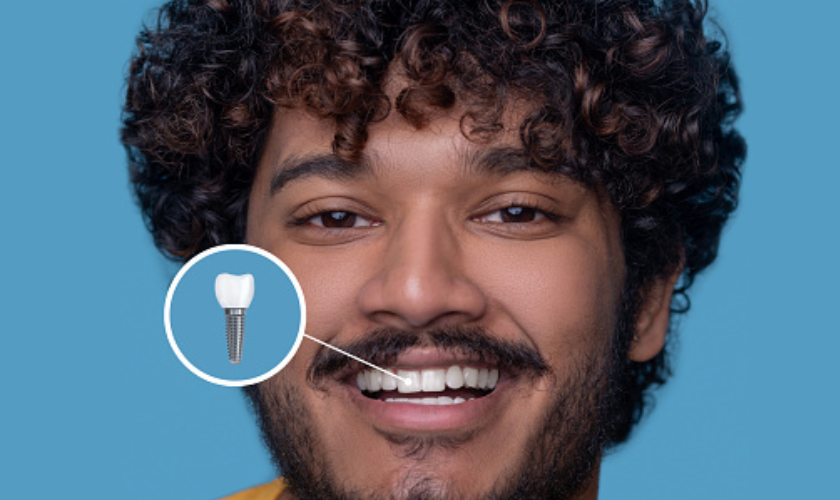
Getting dental implants is one of the most effective ways to replace missing teeth and restore your smile’s strength and appearance. However, proper post-surgery care is crucial to ensure that your implants heal correctly and last for years. Following the right steps—and avoiding the wrong ones—can significantly improve your recovery and overall oral health.
Below are the key do’s and don’ts after dental implant surgery, as recommended by our experienced implant dentist.
The Do’s After Dental Implant Surgery
1. Get Plenty of Rest
Even though implant surgery is typically an outpatient procedure, you’ll likely feel groggy afterward due to local anesthesia. The numbness can last several hours, so plan to rest for the remainder of the day. Keep your head elevated with pillows to reduce swelling and improve blood flow.
Try to take at least a couple of days off work and arrange help from a friend or family member for daily tasks like cooking or caring for children. Adequate rest allows your gums and jawbone to heal properly around the dental implant.
2. Follow Your Dentist’s Instructions Carefully
Your dentist’s post-surgery instructions are vital for a smooth recovery. Attend all scheduled follow-up visits so your dentist can check the implant site, ensure proper healing, and address any complications early.
At Bethany Family Dental, we guide patients through every step of their recovery journey. If anything feels unusual—such as prolonged bleeding, pain, or swelling—visit our dental office immediately for a professional evaluation.
3. Take Prescribed Pain Medication
As the anesthesia wears off, mild soreness and swelling are common. Take your pain medication exactly as prescribed, even if that means setting nighttime reminders. Avoid adjusting doses or substituting medications without consulting your dentist.
Pain control helps you stay comfortable and promotes a stress-free recovery process.
4. Maintain Good Oral Hygiene
Keeping your mouth clean after dental implant surgery is essential to prevent bacterial infections. Brush gently around the surgical area using a soft-bristled toothbrush and rinse with a saltwater solution or an antibacterial mouthwash (only if your dentist approves).
Avoid vigorous rinsing or spitting for the first 24 hours, as this can disrupt the healing process.
5. Eat Nutritious, Soft Foods
For the first few days, stick to a soft diet rich in nutrients and vitamins. Smoothies, yogurt, mashed potatoes, soups, and applesauce are excellent choices that are easy to chew and won’t irritate the surgical site.
Foods high in vitamins A and C—like carrots, sweet potatoes, and oranges—support tissue repair and faster healing. Drink plenty of water to stay hydrated.
6. Use Fluoride Products
Fluoride strengthens tooth enamel and protects against decay. Use a fluoride-containing toothpaste and mouthwash regularly to maintain strong teeth and a clean mouth.
Avoid abrasive products like charcoal toothpaste, baking soda, or vinegar—they can scratch or damage your teeth and implants.
The Don’ts After Dental Implant Surgery
1. Don’t Touch or Disturb the Implant Site
Your gums and tissues need time to heal around the implant. Touching the area with your fingers or tongue can loosen stitches or dislodge the implant. Let it heal naturally and resist the urge to “check” the implant with your tongue.
2. Avoid Smoking
Smoking significantly delays healing and increases the risk of implant failure. It reduces blood flow to your gums and can lead to painful conditions like dry sockets. If possible, quit Smoking before surgery and avoid it entirely during recovery for the best results.
3. Avoid Alcohol and Colored Drinks
Alcoholic beverages, such as soda and wine, can irritate healing gums and cause staining on new implants. Carbonated or very cold drinks may also trigger sensitivity. During the recovery period, stick to water, smoothies, and milk.
4. Stay Away from Hard or Sticky Foods
Foods like popcorn, nuts, ice, hard candies, caramel, and taffy can damage or dislodge your implants. Chewy foods may also put unnecessary strain on your jaw. Stick to soft, easy-to-chew meals until your dentist clears you for normal eating.
5. Don’t Engage in Heavy Physical Activity
Avoid strenuous activities, lifting heavy objects, or intense workouts for at least a few days after surgery. Due to lower calorie intake, overexertion can lead to bleeding, swelling, or dizziness. Resting helps your body recover faster and ensures implant stability.
Getting dental implants is a long-term investment in your smile, confidence, and oral health. At Bethany Family Dental Portland, our skilled team provides advanced technology, compassionate care, and flexible financing options to make treatment more accessible.
If you’re considering dental implants or have recently undergone surgery, our experienced professionals can guide you through every stage of the process. To get started, book an appointment today and take the next step toward a stronger, healthier smile.
Recent Posts
April 16, 2026
Can Gum Disease Really Make You Lose Your Teeth? What Portland Patients Should Know
April 6, 2026
Is a Bone Graft Necessary Before Your Dental Implant Procedure?

March 26, 2026
Can A Tooth Infection Turn Into A Full-Body Blood Infection?

March 19, 2026
How To Get Rid Of Brown Spots On Teeth

March 11, 2026