

August 19, 2025
White stains on teeth can affect confidence, especially when smiling in social or professional settings. These spots often result from weakened enamel, early decay, or lifestyle habits. For people in this city, understanding the causes and treatment options is the first step to restoring a bright, even smile. Read on to discover why white stains appear and how modern dentistry can help you eliminate them effectively.
Why Do White Stains Appear on Teeth?
White patches can form for several reasons, including:
Enamel hypoplasia: A condition where enamel doesn’t fully develop.
Fluorosis: Excess fluoride during childhood.
Diet: Acidic and sugary foods that weaken enamel.
Plaque buildup: Poor oral hygiene leading to demineralization.
Orthodontic treatments: Stains often appear around brackets if cleaning is inconsistent.
These issues are common and treatable with the proper care plan. Consulting a cosmetic dentist in Portland ensures your treatment is tailored to both your dental health and cosmetic goals.
Will White Patches on Teeth Go Away?
White patches may fade slightly over time if related to minor enamel weakening, but most won’t fully disappear on their own. The reason is that these spots represent permanent changes in enamel structure. Fortunately, advanced dental treatments available locally can correct them, making your smile brighter and more uniform.
What Are the Best Treatment Options for White Stains?
Dental practitioners offer several effective cosmetic solutions. Each works differently depending on the severity and cause of the stains.
Professional Teeth Whitening
- Lightens the entire tooth surface for a more uniform color.
- Best for stains caused by diet, lifestyle, or mild enamel changes.
- Safe and more effective than at-home whitening products.
Dental Bonding
- A tooth-colored resin is applied to cover visible spots.
- Quick, painless, and affordable.
- Ideal for isolated patches or smaller stains.
Porcelain Veneers
- Thin shells are placed over the tooth surface for a flawless finish.
- Provides long-term correction for stubborn or widespread stains.
- Also addresses chips, gaps, and discoloration simultaneously.
Everyday Steps to Minimize White Stains
- Alongside professional treatment, daily habits play a big role in protecting your smile.
- Brush twice daily with fluoride toothpaste.
- Floss daily to prevent plaque buildup.
- Limit acidic and sugary drinks.
- Rinse with water after meals.
- Visit our dental office and schedule cleanings every six months.
- Following these habits helps maintain results after cosmetic treatment.
How Do Dentists Personalize Treatment for White Stains?
Dental practitioners typically start with a thorough exam and diagnostic imaging. From there, they:
- Identify the underlying cause of the stains.
- Recommend conservative treatments like whitening or bonding first.
- Suggest veneers for long-lasting, comprehensive results if needed.
This patient-centered process ensures you don’t just cover stains—you also protect your long-term oral health. Book an appointment with us to get your personalized plan that meets your specific requirements.
Take the Next with Bethany Family Dental Portland
Whether enjoying a coffee or smiling during a riverside walk, feeling confident in your smile matters. White stains don’t have to hold you back from showing it. With modern cosmetic treatments, you can achieve a balanced, natural look that fits your lifestyle.
Professional guidance makes all the difference if you’ve noticed white patches on your teeth. At Bethany Family Dental Portland, we provide advanced whitening, bonding, and veneer treatments designed to restore confidence in your smile. Don’t wait—visit us today and learn about personalized solutions that fit your needs. Call now to book a consultation and take the first step toward a brighter, stain-free smile.
Recent Posts

April 30, 2026
How to Stop Tooth Pain Fast: Homemade Remedies and Expert Advice
April 23, 2026
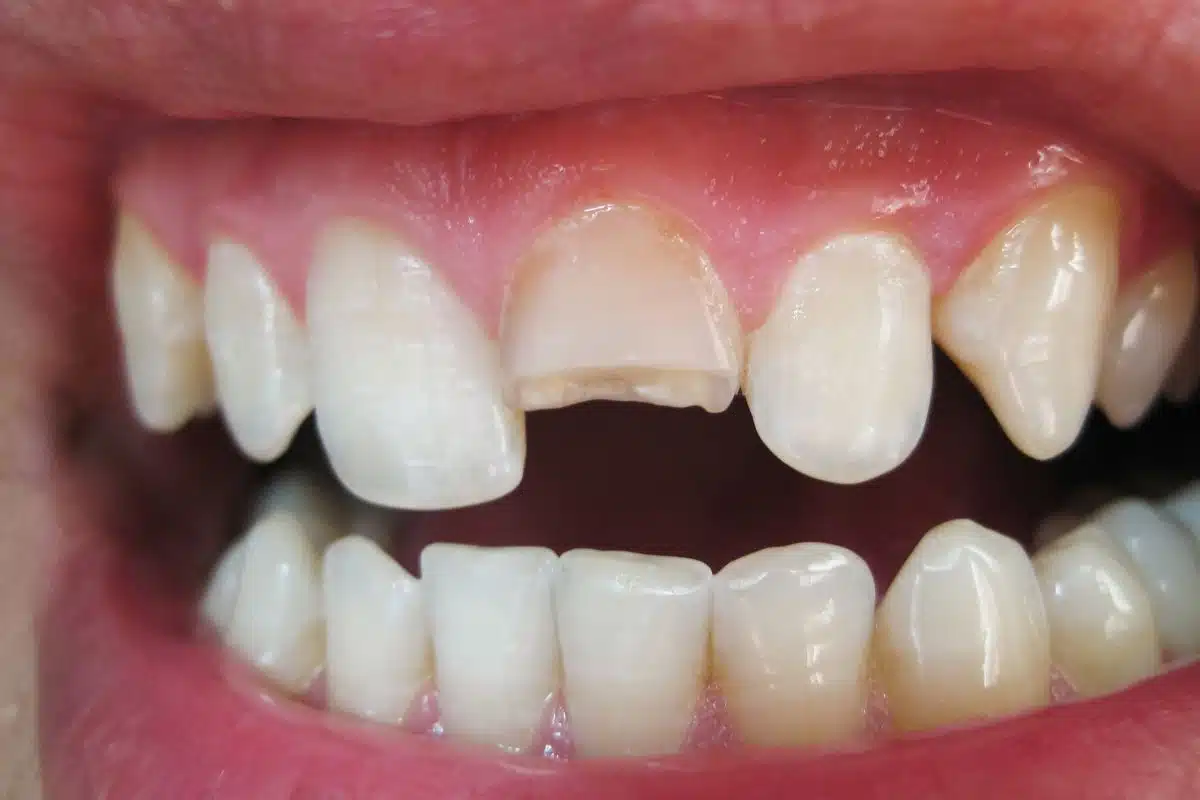
Can a Cosmetic Dentist Fix a Chipped Tooth in Just One Visit?

April 16, 2026
Can Gum Disease Really Make You Lose Your Teeth? What Portland Patients Should Know

April 6, 2026
Is a Bone Graft Necessary Before Your Dental Implant Procedure?

March 26, 2026