
October 16, 2025
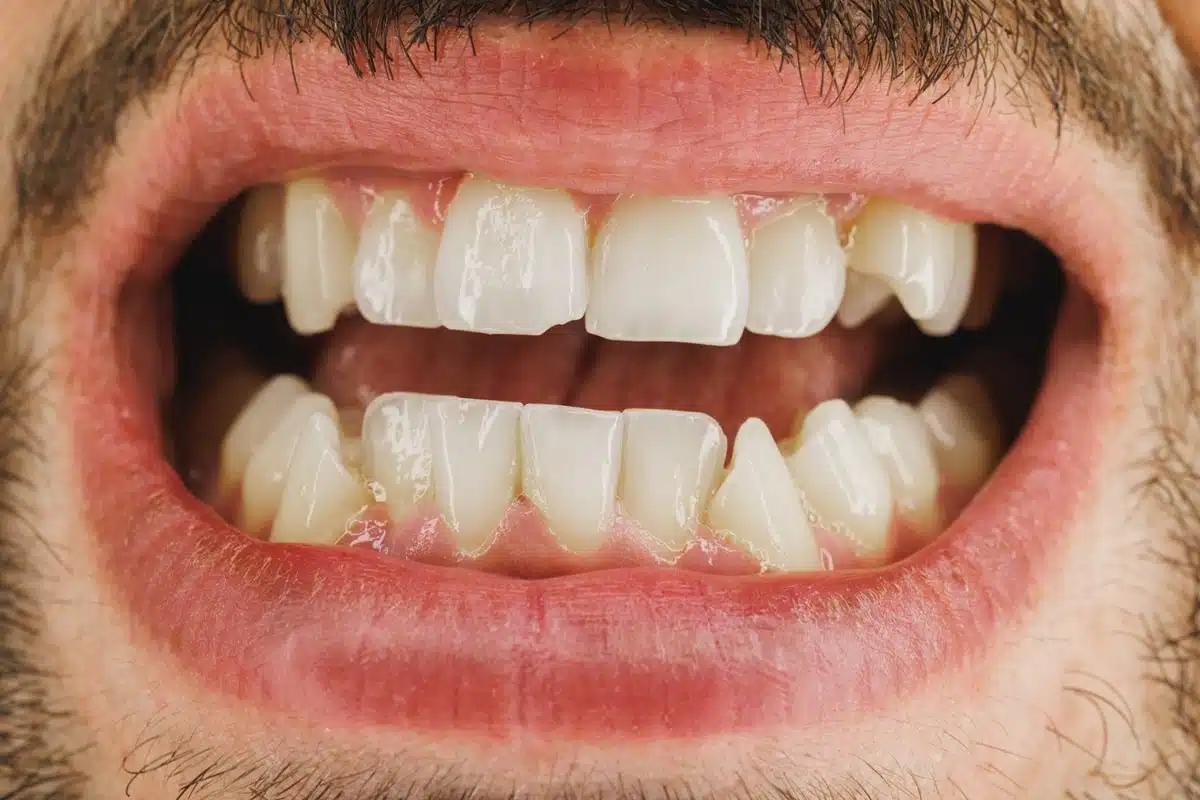
Have you ever bitten into something hard and felt a sudden jolt of pain, only to realize your tooth might be cracked? A cracked tooth is more than a cosmetic concern; it can affect your eating, speaking, and smiling. With advancements in cosmetic dentistry, it is possible to restore cracked or chipped teeth with natural-looking, long-lasting solutions that protect both function and appearance.
This comprehensive guide explains why teeth crack, what cosmetic treatments can repair them, and how modern dental technology helps you regain a healthy, confident smile.
Understanding Why Teeth Crack
Cracked teeth can occur for several reasons, many of which are common and often unavoidable. Recognizing the cause is the first step toward effective treatment.
- Chewing hard foods: Biting down on ice, popcorn kernels, or hard candies can cause small fractures.
- Teeth grinding or clenching: Ongoing pressure from grinding can weaken enamel over time.
- Old fillings or restorations: Teeth with large or worn fillings are more prone to cracking.
- Sudden trauma: A sports injury or accidental fall can result in visible or internal cracks.
- Age and wear: Natural aging causes enamel to thin, making teeth more vulnerable to stress.
While some cracks are purely cosmetic, others can deepen and lead to pain, infection, or even tooth loss if left untreated.
How Dentists Diagnose a Cracked Tooth?
Identifying a cracked tooth isn’t always simple; some cracks are invisible to the naked eye. A cosmetic dentist typically uses advanced diagnostic tools and a step-by-step approach to confirm the issue:
- Comprehensive exam: The dentist evaluates symptoms like biting pain or temperature sensitivity.
- Digital X-rays and imaging: These reveal the depth and direction of the crack.
- Intraoral cameras: High-definition cameras magnify the affected area for a clear view.
- Bite tests: Help locate cracks that cause pressure-related discomfort.
This careful evaluation ensures the correct treatment option is chosen for both aesthetics and long-term oral health.
Cosmetic Dentistry Options for Restoring a Cracked Tooth
Modern cosmetic dentistry offers several effective ways to restore a cracked tooth, depending on the severity and location of the damage. Each option focuses on function and beauty, helping your smile look and feel natural again.
1. Dental Bonding
Bonding uses a tooth-colored resin to fill small cracks or chips. The resin is applied directly to the affected area, sculpted into shape, and hardened with a special light. It’s quick, painless, and ideal for minor cracks.
2. Porcelain Veneers
Veneers are thin, durable shells that cover the front surface of teeth. They are excellent for concealing visible cracks and discoloration, restoring a smooth, uniform appearance. Veneers are custom-designed to match the color and contour of your surrounding teeth.
3. Dental Crowns
When a tooth is deeply cracked, a crown can protect and strengthen it. A crown covers the entire visible surface, preventing further damage and restoring full function. Crowns are designed to blend seamlessly with your smile while adding durability.
Each of these treatments aims to restore comfort, prevent further damage, and enhance your smile’s natural beauty.
The Step-by-Step Process of Repairing a Cracked Tooth
Once the best treatment option is determined, the process generally follows a few simple steps:
- Consultation and planning: The dentist evaluates your tooth and discusses your goals for treatment.
- Preparation: Damaged or weakened portions are carefully removed, and the tooth is shaped for restoration.
- Impressions or digital scans: Digital impressions ensure precise design and fit.
- Fabrication: The restoration, like bonding, veneer, or crown, is created from high-quality materials.
- Placement and bonding: The restoration is securely attached to the tooth for a natural, polished look.
Depending on the treatment, the process can often be completed in one or two visits.
Caring for Your Restored Tooth
After treatment, caring for your tooth properly helps maintain both the health and beauty of your smile.
- Brush twice daily with a soft-bristle toothbrush and fluoride toothpaste.
- Avoid chewing hard foods or ice on restored teeth.
- Wear a nightguard if you grind or clench your teeth.
- Schedule regular checkups to monitor your restorations.
With proper care, cosmetic restorations can last many years while keeping your smile bright and functional.
The Confidence of a Restored Smile
A cracked tooth can be distressing, but today’s cosmetic dental options make it possible to restore both comfort and confidence. Whether your damage is minor or more complex, modern techniques offer precise, aesthetic, and long-lasting solutions that protect your natural teeth while giving you a reason to smile again.
If you’re ready to explore your options, visit our dental office and see how we can help you regain your smile’s full potential. Book an appointment with our cosmetic dentist at Bethany Family Dental Portland today and take the first step toward a healthy, radiant smile.
Frequently Asked Questions (FAQs)
1. What should I do if I think I have a cracked tooth?
If you suspect a crack, avoid chewing on that side and schedule a dental visit as soon as possible. Early evaluation helps prevent the crack from worsening or causing infection.
2. Can a cracked tooth heal on its own?
No, a cracked tooth cannot heal naturally. Professional treatment is necessary to repair the damage, relieve discomfort, and prevent further complications such as decay or tooth loss.
3. How does cosmetic dentistry repair a cracked tooth?
Cosmetic dentistry uses treatments like bonding, veneers, inlays, or crowns to repair cracks, restore strength, and improve appearance while protecting the remaining tooth structure.
4. Is repairing a cracked tooth painful?
The procedure is generally comfortable. Local anesthesia numbs the area, and most patients experience little to no discomfort during or after treatment.
5. How long do cosmetic restorations for a cracked tooth last?
With proper care and regular dental checkups, cosmetic restorations can last 10 to 15 years or even longer, depending on the material used and daily oral habits.
Recent Posts
September 25, 2026
What Happens to Your Jawbone When You Lose a Tooth?

September 17, 2026
Permanent Tooth Replacement Options: Finding the Best Fit for Your Smile
September 10, 2026
How to Fix Chipped, Gapped, or Uneven Teeth Without Braces
September 3, 2026
Common Dental Myths Your Dentist Wants You to Stop Believing
August 27, 2026