
September 10, 2026
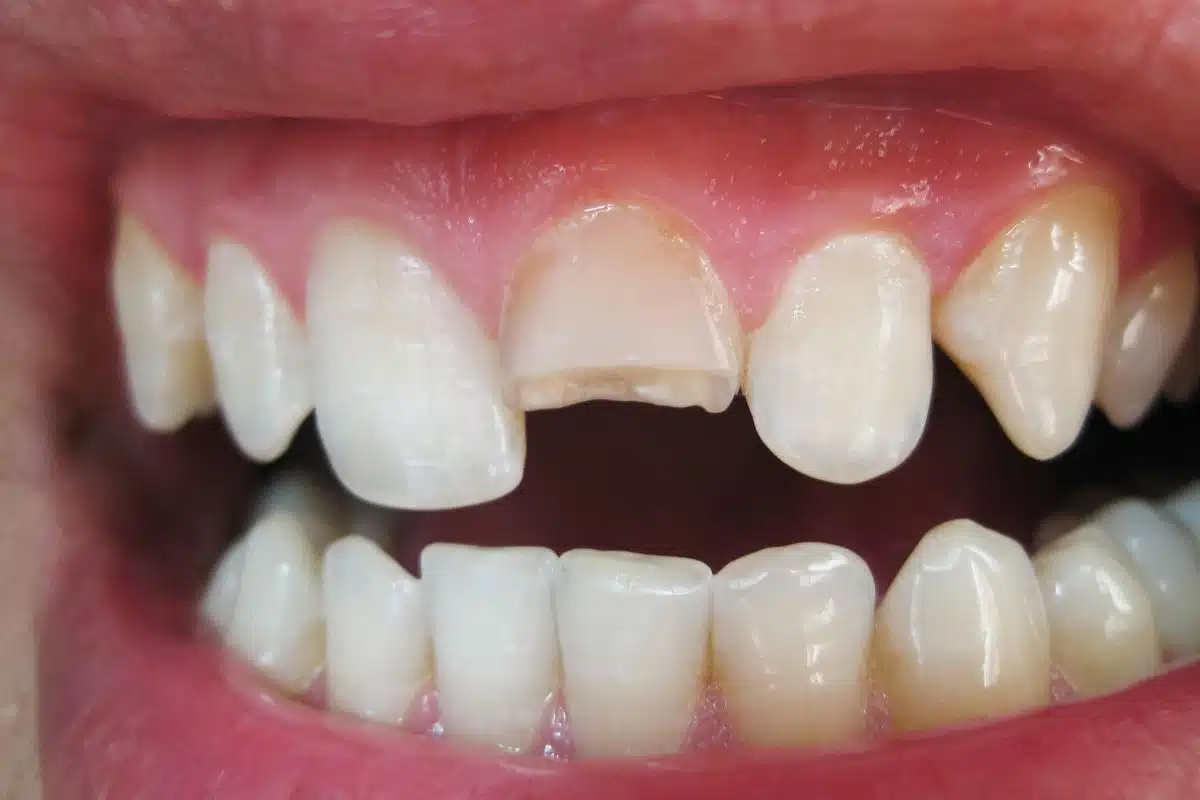
A confident, radiant smile can instantly boost your self-esteem, enhance your daily interactions, and transform your personal and professional presence. However, when you look in the mirror, minor dental imperfections such as a sharp chip from a minor accident, an unexpected gap between your front teeth, or a slightly misshapen or uneven tooth edge can make you feel self-conscious. Many people assume that fixing structural or aesthetic concerns requires years of uncomfortable metal brackets, tight wires, and frequent adjustment appointments. Fortunately, modern advancements in conservative dental techniques mean you can achieve a straight, seamless, and symmetrical smile quickly and comfortably without traditional orthodontic hardware.
Understanding your aesthetic options empowers you to make informed decisions about your oral health and smile aesthetics. To help you navigate these choices, our dental practice, Bethany Family Dental, led by Dr. Nathan Austria, provides advanced solutions tailored to your unique smile goals. Whether you want a quick single-visit fix or a complete, dramatic transformation, modern cosmetic procedures offer versatile alternatives to traditional braces that deliver instant, natural-looking results.
Why Consider Fixes Other Than Traditional Braces?
While traditional metal braces and long-term orthodontic aligners remain excellent tools for correcting severe structural malocclusions, jaw misalignments, and complex bite issues, they are not always necessary for minor aesthetic concerns. If your primary goal is to address local defects such as repairing a chipped edge, closing a minor gap (diastema), or reshaping an uneven tooth, movement can be an unnecessarily slow and invasive path.
Traditional orthodontic treatments typically require anywhere from 12 to 24 months of consistent wear, strict dietary restrictions, meticulous hygiene protocols around wires, and recurring dental visits. In contrast, conservative aesthetic dental treatments focus on modifying or enhancing the tooth’s visible outer structure. These non-orthodontic techniques allow patients to achieve immediate, dramatic aesthetic improvements in as little as one or two office visits. By avoiding lengthy orthodontic timelines, patients enjoy immediate cosmetic enhancements with minimal disruption to their busy daily schedules.
Dental Bonding: The Quick, Non-Invasive Solution
Dental bonding, often called composite bonding, is one of the most popular and efficient procedures available in modern cosmetic dentistry. This procedure utilizes a durable, tooth-colored composite resin to fill in chips, close narrow spaces, and build up uneven or worn enamel.
How Composite Bonding Works
The bonding procedure is straightforward and minimally invasive, rarely requiring local anesthesia unless the restoration is addressing active tooth decay near a sensitive nerve:
- Preparation: The surface of the affected tooth is lightly etched with a mild conditioning gel. This microscopic roughening creates a strong, secure foundation for the resin material to bond with your natural enamel.
- Application and Sculpting: A soft, shade-matched composite resin is applied directly to the tooth. As your cosmetic dentist, Dr. Austria meticulously sculpts, shapes, and layers the resin by hand to seamlessly restore missing structure, bridge gaps, or match surrounding tooth contours.
- Curing and Polishing: A high-intensity ultraviolet curing light hardens the resin in seconds. Once set, the material is smoothed, contoured, and polished to mirror the natural luster, translucency, and shine of your surrounding teeth.
Ideal Candidates for Tooth Bonding
Dental bonding is ideal for individuals looking to address minor cosmetic flaws, such as a chipped central incisor, small gaps between front teeth, or slightly uneven tooth lengths. Because the process preserves nearly all of your natural tooth structure, it’s an ideal conservative fix for adult patients and teenagers alike.
Porcelain Veneers: The Instant Symmetrical Transformation
For patients seeking a comprehensive, durable, and stain-resistant smile makeover, porcelain veneers represent the gold standard of aesthetic dental treatments. Veneers are ultra-thin, custom-crafted shells of dental ceramic engineered to cover the front surface of your teeth, instantly altering their shape, shade, alignment, and overall proportions.
Overcoming Multiple Imperfections at Once
Unlike treatments that address individual spots or minor edges, porcelain veneers can correct several aesthetic issues simultaneously. If you have chipped edges, noticeable gaps, deep internal staining, and unevenly sized teeth, veneers can create a uniform, bright, perfectly balanced smile without months of tooth movement.
The Porcelain Veneers Process
Receiving porcelain veneers typically involves two primary appointments:
- Design and Preparation: During your initial consultation, we take detailed impressions and digital scans to plan your ideal smile architecture. To ensure the veneers lie flat and align flush with your gumline, we gently prepare a microscopic layer of enamel (often less than half a millimeter). Temporary veneers are then placed while master dental laboratory technicians custom-fabricate your permanent shells.
- Final Bonding and Placement: Once your custom veneers arrive, they are evaluated for precise fit, shape, and color. After minor adjustments, your natural enamel is etched, and the porcelain shells are permanently bonded to your teeth using high-strength dental cement.
Porcelain ceramic closely mimics the optical properties of natural tooth enamel, absorbing and reflecting light in the exact same manner. Furthermore, porcelain is completely non-porous, making it exceptionally resistant to staining from coffee, tea, wine, and everyday foods.
Porcelain Crowns and Onlays: Structural Strength Meets Aesthetics
When a chipped or uneven tooth has substantial structural loss from trauma, large old restorations, or deep decay, cosmetic bonding or thin veneers may not provide enough support. In these cases, custom porcelain crowns or partial crowns (onlays) offer the right balance of structural reinforcement and high-end aesthetics.
Restoring Functionality and Form
A dental crown completely covers the visible portion of a compromised tooth above the gumline, encasing it in strong, tooth-colored ceramic. Onlays, often referred to as partial crowns, offer a more conservative alternative when only a portion of the tooth’s biting surface or cusp is damaged. Both options restore proper bite alignment, protect against future fractures, and eliminate visual unevenness, keeping your smile fully functional and visually flawless.
Daily Maintenance for Long-Lasting Cosmetic Results
Regardless of which non-braces restoration you choose, maintaining proper oral hygiene and protection is essential to maximize the longevity of your investment:
- Maintain Consistent Hygiene: Brush twice daily with a non-abrasive fluoride toothpaste and floss daily around your restorations to prevent marginal decay and keep gum tissue healthy.
- Wear a Custom Nightguard: If you clench or grind your teeth while sleeping (bruxism), the excessive forces can chip composite resin or crack porcelain ceramics over time. A custom-fitted nightguard cushions your teeth and protects your restorations.
- Avoid Using Teeth as Tools: Never use your teeth to open plastic packaging, bite fingernails, or chew on hard objects like ice, pens, or unpopped popcorn kernels.
- Keep Up Regular Cleanings: Routine professional checkups allow your dental team to inspect the margins of your restorations, polish resin surfaces, and ensure long-term stability.
Experience Exceptional Local Cosmetic Care in Portland
Achieving a straight, harmonious smile does not always require wearing braces or clear aligners for years. By choosing advanced cosmetic dentistry options, you can safely and efficiently fix chips, close gaps, and smooth uneven surfaces with incredible aesthetic precision.
When searching for an experienced, gentle cosmetic dentist, local expertise matters. Located conveniently off NW Bethany Blvd in Portland, OR, Bethany Family Dental serves patients throughout Cedar Mill, Rock Creek, Beaverton, and the greater Portland metro area. Dr. Nathan Austria and our compassionate team specialize in patient-first care, combining state-of-the-art restorative materials with precise artistic techniques.
Ready to transform your smile without the hassle of traditional braces? Visit our dental office or book an appointment today!
Frequently Asked Questions
1. Can composite bonding close wide gaps between front teeth?
Composite bonding easily closes small to moderate gaps between front teeth in a single visit. For excessively wide gaps, your dentist may recommend porcelain veneers or orthodontic alignment to maintain natural tooth proportions and bite balance.
2. How long do porcelain veneers last compared to composite bonding?
Porcelain veneers typically last 10 to 20 years or longer with proper hygiene and care, owing to ceramic durability. Composite bonding generally lasts between 3 to 10 years before requiring minor touch-ups or replacement.
3. Will fixing my chipped tooth with bonding or veneers hurt?
No, these procedures cause minimal to no discomfort. Composite bonding requires no enamel removal or anesthesia in most cases, while porcelain veneer prep involves minor, comfortable surface smoothing under local anesthesia for complete patient comfort.
4. Are non-braces cosmetic fixes covered by dental insurance plans?
Purely aesthetic treatments like veneers or bonding for small gaps are typically elective and not covered by standard insurance. However, if bonding or crowns repair structural damage from trauma, partial coverage may apply.
5. Can I whiten my teeth after getting cosmetic veneers or bonding?
Professional whitening gels only lighten natural tooth enamel and will not change the shade of composite resin or porcelain restorations. It is best to complete teeth whitening before getting restorations matched to your brightened smile.
6. How do I prevent my bonded or veneered teeth from chipping?
To protect your restorations from chipping, avoid chewing on hard objects like ice or pens, never open packaging with your teeth, and wear a custom nightguard if you grind your teeth during sleep.
Recent Posts

October 12, 2026
Catching a $50 Cavity Before It Becomes a $2,000 Root Canal

September 25, 2026
What Happens to Your Jawbone When You Lose a Tooth?
September 17, 2026
Permanent Tooth Replacement Options: Finding the Best Fit for Your Smile
September 10, 2026
How to Fix Chipped, Gapped, or Uneven Teeth Without Braces
September 3, 2026