
September 17, 2026
A missing tooth can affect much more than your smile. It may make chewing less comfortable, change the way you speak, and leave you feeling self-conscious in photos or conversations. Over time, the teeth beside the gap can shift, and the jawbone in that area may begin to lose volume.
For many patients, dental implants offer a long-term way to replace missing teeth while restoring the look and function of a natural smile.
At Bethany Family Dental Portland, Dr. Austria helps patients understand whether implant treatment may fit their oral health needs and smile goals.
Why Replace a Missing Tooth?
Even one missing tooth can create changes in your mouth. The teeth around the gap may gradually move out of position, which can affect your bite and make daily cleaning more difficult. If the missing tooth is in the back of the mouth, you may start chewing more on one side.
Replacing the tooth can help you:
- Restore a more complete smile
- Chew a wider variety of foods
- Support clear speech
- Maintain alignment of neighboring teeth
- Preserve jawbone stimulation in the missing-tooth area
- Feel more confident in social and professional settings
The sooner you understand your options, the easier it may be to plan for your oral health.
How Dental Implants Replace a Missing Tooth
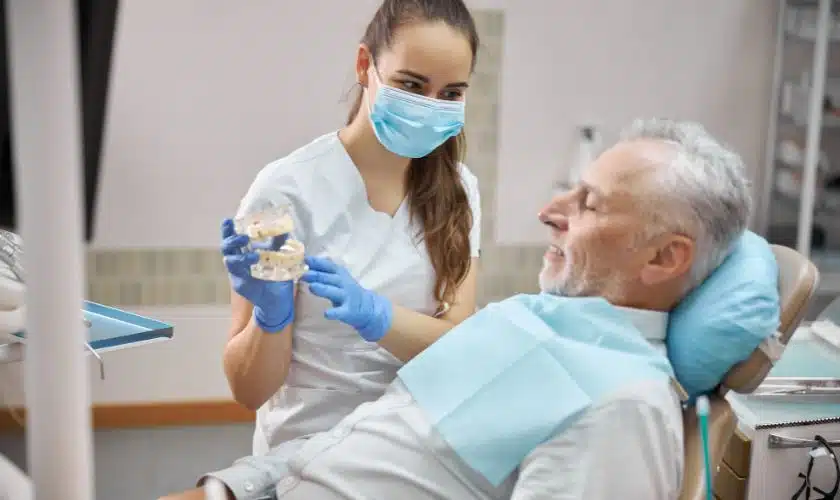
Dental implants replace both the visible tooth and the root beneath the gumline. A small titanium post is placed in the jawbone, serving as a stable foundation. After the area heals, a custom crown is attached to restore the visible portion of the tooth.
Unlike removable solutions, an implant-supported tooth stays in place. It is designed to look natural, feel secure, and function during daily activities such as eating, talking, and smiling. Because the implant post connects with the jawbone, it can also provide the stimulation that is lost after a tooth is removed.
An implant-supported crown is not the same as a natural tooth, and it still needs consistent care. However, for many patients, this approach offers a reliable way to restore a missing tooth without relying on nearby teeth for support.
Benefits of Choosing Dental Implants
Dental implants can offer significant advantages for people seeking a fixed tooth replacement. Their design supports both appearance and daily function.
A Natural-Looking Smile
The final crown is designed to blend with the color, shape, and size of the adjacent teeth. This helps the restoration look like a natural part of your smile rather than a noticeable replacement.
Strong Chewing Support
A missing tooth can limit what you feel comfortable eating. Once healing is complete, an implant-supported crown can help restore your ability to chew so you can enjoy meals with more confidence.
Support for Jawbone Health
When a tooth root is missing, the jawbone in that spot no longer receives normal stimulation from chewing. This can lead to bone loss over time. An implant post functions like a tooth root and helps support the bone in the treated area.
No Need to Alter Nearby Teeth
An implant stands on its own. Healthy teeth beside the gap generally do not need to be reshaped to hold the replacement tooth in place.
Simple Daily Care
You care for an implant-supported tooth much like your natural teeth. Brush twice a day, clean between teeth daily, and attend regular dental visits. Your implant dentist may also recommend specific cleaning tools for the area around the restoration.
Who May Be a Candidate for Implant Treatment?
Many adults with missing teeth may qualify for dental implants, but an examination is essential before treatment begins. Your dentist will look at your gums, bite, jawbone, remaining teeth, and overall health history.
You may be a candidate if you have:
- One or more missing teeth
- Healthy gums or a plan to address gum disease
- Adequate jawbone support
- Healthy habits for daily oral care
- A desire for a fixed tooth replacement
Some patients need preparatory care before implant placement. For example, bone grafting may be recommended if the jawbone does not have enough volume to support the implant. Treatment for gum disease may also be needed first. These steps can create a healthier foundation for the restoration.
What Happens During the Dental Implant Process?
The process starts with a consultation and diagnostic imaging. Your implant dentist evaluates the area where the tooth is missing and discusses your medical history, bite, and treatment goals. This planning stage helps determine the proper position for the implant.
Next, the implant post is placed in the jawbone. Healing takes time because the bone needs to bond with the post. This process is called osseointegration. After healing, a small connector called an abutment and the final crown are placed.
The full timeline varies depending on your healing progress, bone health, and whether you need preliminary treatment. Dental implants are not an instant solution, but each stage plays an important role in creating a stable restoration. Learn more about implant treatment at Bethany Family Dental Portland.
How Long Do Dental Implants Last?
With consistent oral hygiene and routine dental care, dental implants can provide long-term support. The crown on top may need repair or replacement at some point because it is exposed to everyday chewing forces. The implant post itself can remain in place for many years as long as the gums and bone stay healthy.
To protect your restoration:
- Brush twice daily with a soft-bristled toothbrush
- Clean between teeth every day
- Keep regular dental checkups and cleanings
- Wear a night guard if you grind or clench your teeth
- Avoid using teeth to open packages or bite hard objects
- Avoid tobacco products, which can affect healing and gum health
If you have a missing tooth and want to understand whether implants may work for you, visit our dental office for a thorough evaluation.
Restore Comfort, Confidence, and Everyday Function
Living with a missing tooth can make everyday moments feel different. Implant treatment may help restore your ability to chew, speak, and smile with more confidence while supporting your long-term oral health.
Bethany Family Dental Portland welcomes Portland patients who want to explore implant-supported tooth replacement. Book an appointment today to discuss your options and take the next step toward restoring your smile.
FAQs
1. Is dental implant treatment painful?
Local anesthesia is used during implant placement to keep you comfortable. Mild soreness or swelling may occur after the procedure, but many patients manage it with the aftercare instructions provided by their dental team.
2. Can an implant replace a front tooth?
Yes. An implant-supported crown can replace a visible front tooth. Careful planning helps the crown blend with surrounding teeth and supports a natural-looking result when you smile and speak.
3. What if I have been missing a tooth for years?
Treatment may still be possible. Your dentist will assess the jawbone with imaging to determine whether the area can support an implant or whether preparatory treatment, such as bone grafting, may be needed.
4. Can smokers get implant treatment?
Smoking can affect healing and increase the risk of complications around an implant. Your dental team will review your health history and may recommend reducing or stopping tobacco use before and after treatment.
5. How do I clean around an implant crown?
Brush the crown and gumline twice daily, then clean between the implant and adjacent teeth daily. Your dental team may recommend floss, interdental brushes, or other tools based on your restoration.
6. Can multiple missing teeth be replaced with implants?
Yes. Implants can support individual crowns, implant-supported bridges, or full-arch restorations. An evaluation helps determine the number and placement of implants needed for your smile.
Recent Posts

October 12, 2026
Catching a $50 Cavity Before It Becomes a $2,000 Root Canal

September 25, 2026
What Happens to Your Jawbone When You Lose a Tooth?
September 17, 2026
Permanent Tooth Replacement Options: Finding the Best Fit for Your Smile
September 10, 2026
How to Fix Chipped, Gapped, or Uneven Teeth Without Braces

September 3, 2026