
February 21, 2025
Molars play a vital role in your daily life, even if you don’t always think about them. Located at the back of your mouth, these strong teeth are responsible for grinding and chewing food properly. But what happens when you have missing molars? Is it really necessary to replace them, or can you function just fine without them?
If you’ve been wondering, “are dental implants necessary for molars?” the answer depends on your oral health, lifestyle, and long-term goals. In this guide, we’ll walk you through why molars matter, your replacement options, and when a dental implant molar may be the best solution.
Why Molars Are So Important
Molars do more than just chew your food, they help maintain balance in your bite and support overall oral health. When even one molar is lost, the effects can ripple throughout your mouth.
Without molars:
- Chewing efficiency decreases, especially for tougher foods
- Neighboring teeth may shift into the empty space
- Opposing teeth can over-erupt
- Jawbone loss may begin over time
Many patients ask, “do you need all your molars?” While you may still be able to eat without them, losing molars can lead to long-term complications if left untreated.
What Happens If You Don’t Replace Missing Molars?
When missing molars aren’t replaced, your mouth begins to adapt, but not in a healthy way. The surrounding teeth may drift, creating alignment issues and uneven wear. Over time, this can lead to bite problems, jaw discomfort, and even an increased risk of gum disease.
Additionally, the jawbone in the area where the tooth is missing begins to shrink due to a lack of stimulation. This process, called bone resorption, can affect facial structure and make future restorations more difficult.
So while you might manage initially, delaying molar tooth replacement can result in more complex dental issues down the road.
Can Molars Be Replaced?
Yes, can molars be replaced? Absolutely. Modern dentistry offers several effective options for replacing lost teeth, including:
- Dental bridges
- Partial dentures
- Dental implants molars
Among these, implant molars are often considered the most durable and long-lasting solution because they replace both the tooth and its root.
What Is a Dental Implant for a Molar?
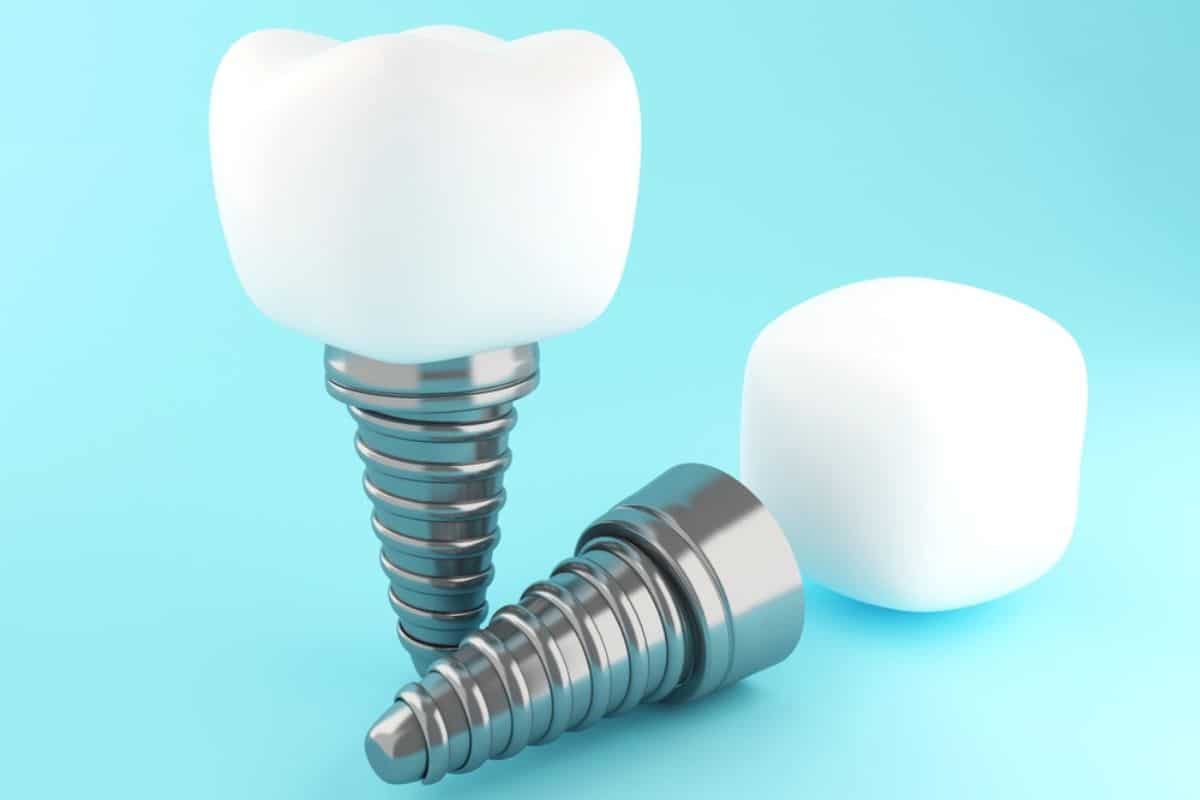
A dental implant is a small titanium post that is surgically placed into the jawbone, acting as an artificial tooth root. Once healed, a custom crown is attached to restore the function and appearance of your natural molar.
Unlike other options, dental implants provide stability and help preserve bone health, making them a preferred choice for many patients seeking long-term results.
Are Dental Implants Necessary for Molars?
So, are dental implants necessary for molars? Not always, but in many cases, they are highly recommended.
You may benefit from a dental implant molar if:
- You want a permanent, fixed solution
- You have sufficient bone to support an implant
- You want to prevent bone loss
- You prefer not to rely on removable appliances
However, some patients may choose alternatives due to cost, health conditions, or personal preference. The best way to determine your ideal solution is to visit our dental office for a personalized evaluation.
Special Considerations: Upper Molars
The removal of upper molar teeth can present unique challenges because these teeth are located close to the sinus cavity. In some cases, a sinus lift procedure may be needed before placing a dental implant molar to ensure there is enough bone support.
Your dentist will evaluate your anatomy and recommend the safest, most effective treatment plan.
Can Molar Teeth Be Replaced Later?
Another common concern is timing. Many patients ask, “can molar teeth be replaced later?” The answer is yes—but sooner is usually better.
Delaying treatment can lead to:
- Bone loss
- Shifting teeth
- Increased complexity of future procedures
If you’re considering molar tooth replacement, early intervention can simplify the process and improve long-term outcomes.
Benefits of Replacing Molars with Dental Implants
Choosing dental implants for molars offers several advantages:
- Restores full chewing ability
- Maintains jawbone health
- Prevents teeth from shifting
- Looks and feels like a natural tooth
- Long-lasting with proper care
While implants may require a higher initial investment, their durability often makes them more cost-effective over time.
When Implants May Not Be Necessary
In some cases, replacing a molar may not be immediately required, especially if:
- The missing tooth doesn’t affect your bite
- You can chew comfortably
- There are no signs of bone loss or shifting
However, even in these situations, regular monitoring is essential. Your dentist can help you decide whether delaying treatment is a safe option.
Restore Your Smile at Bethany Family Dental Portland
If you’re dealing with missing molars or exploring your options for molar tooth replacement, the team at Bethany Family Dental Portland is here to help. We provide personalized solutions, including advanced dental implants, to restore your smile and protect your long-term oral health.
Don’t wait until small issues become bigger problems. Book an appointment today and take the first step toward a healthier, more complete smile.
FAQs
1. Are dental implants necessary for molars if I can still chew?
Even if you can chew, missing molars can lead to shifting teeth and bone loss over time. Implants help prevent these long-term issues.
2. Can molars be replaced with something other than implants?
Yes, bridges and partial dentures are alternatives, but they may not offer the same durability or bone support as dental implants.
3. How long does a dental implant molar last?
With proper care, dental implants can last decades, making them one of the most reliable tooth replacement options.
4. Is the removal of upper molar teeth more complicated?
It can be, due to their proximity to the sinus cavity. Additional procedures, such as a sinus lift, may be required.
5. Can molar teeth be replaced years after extraction?
Yes, but bone loss may occur over time, potentially requiring additional treatments before implant placement.
6. Do you need all your molars for proper oral health?
While you can function without all your molars, replacing them helps maintain bite alignment, jaw health, and overall dental stability.
Recent Posts

April 30, 2026
How to Stop Tooth Pain Fast: Homemade Remedies and Expert Advice
April 23, 2026
Can a Cosmetic Dentist Fix a Chipped Tooth in Just One Visit?

April 16, 2026
Can Gum Disease Really Make You Lose Your Teeth? What Portland Patients Should Know
April 6, 2026
Is a Bone Graft Necessary Before Your Dental Implant Procedure?

March 26, 2026