

January 29, 2026
Rain-soaked mornings call for something warm. That’s why our city has more coffee roasters per capita than almost anywhere in the country. Between sipping pour-overs at Stumptown and sampling kombucha at local tap rooms, we’re constantly treating our taste buds to something special. But here’s what most people don’t think about: all those delicious drinks are doing a number on your teeth.
The Pacific Northwest lifestyle comes with unique dental challenges. While we’re busy enjoying everything from cold brew to craft cider, our tooth enamel is taking the hit. Understanding how your favorite beverages affect your smile can help you protect it without giving up what you love.
Why Our Drink Culture Is Different?
Portland’s beverage scene isn’t just about caffeine. It’s a whole culture built around artisan craftsmanship. Third-wave coffee shops dot every neighborhood from Hawthorne to Alberta. Craft breweries and cideries turn local apples and hops into liquid art. Kombucha makers ferment tea in small batches. Even our water, sourced from the Bull Run watershed in the Cascades, tastes different from anywhere else.
This variety means we’re exposing our teeth to more acids and sugars than we might realize. Each drink has its own pH level and sugar content. Some are worse for enamel than others.
The Acid Problem
Coffee isn’t the biggest culprit here. While it does have some acidity, it’s generally less harmful than you’d think. The real troublemakers are the drinks we add to our daily routine without a second thought.
Cold brew sounds harmless, but it’s actually more acidic than hot coffee. Those trendy fruit-infused kombuchas pack a double punch of acid and sugar. Craft ciders, especially the dry ones made from Hood River apples, can have pH levels low enough to soften enamel. Even that fresh-squeezed orange juice from the Saturday farmers’ market at PSU is loaded with citric acid.
When acid touches your teeth, it temporarily softens the enamel. If you brush right away, you’re actually scrubbing away that weakened layer. Not great.
Sugar’s Sneaky Role
We all know sugar causes cavities. But it’s not just the sugar itself doing the damage. The bacteria in your mouth feed on sugar and produce acid as a byproduct. More sugar means more acid, which means more enamel erosion.
Many craft beverages hide their sugar content well. That vanilla latte from your favorite cart on Division? Probably has more sugar than a candy bar. Flavored kombuchas can contain 10-15 grams per bottle. Even “healthy” drinks like pressed juices concentrate the natural sugars from multiple fruits into one glass.
The frequency matters too. Sipping a sugary drink during your morning commute across the Burnside Bridge provides bacteria with a constant food source. Your mouth never gets a break from the acid attack.
Local Favorites and Their Impact
Let’s talk specifics. Our obsession with natural wine means we’re drinking more low-sulfite, organic options. Great for avoiding headaches, but wine’s acidity still affects teeth the same way. Those grape tannins can also stain enamel.
Nitro cold brew has exploded in popularity here. The smooth texture tricks you into thinking it’s less acidic, but it’s not. The nitrogen just changes the mouthfeel.
Shrubs (those vinegar-based drinking syrups) have become a staple at trendy spots in the Pearl District and beyond. They’re incredibly acidic by design. The same goes for the apple cider vinegar shots, which people take for gut health.
What Your Dentist Wants You to Know?
An experienced dentist sees cases of enamel erosion regularly. The pattern is clear: people who sip acidic drinks throughout the day show more wear than those who drink them quickly with meals.
Timing is everything. When you drink something acidic, your mouth’s pH drops. Saliva neutralizes it, but it takes about 30 minutes. If you’re constantly sipping, your mouth never recovers. Finding a professional who understands the local lifestyle can help you develop better habits without sacrificing your morning ritual.
Practical Dental Care Strategies
There’s no need to give up your favorite drinks. Just be smarter about how you consume them.
- Drink water between beverages. It helps rinse away acids and sugars. Our tap water is some of the best in the country, so take advantage of it.
- Use a straw for acidic drinks. Position it toward the back of your mouth to minimize contact with your front teeth. Yes, even for hot coffee if you’re dedicated enough.
- Wait at least 30 minutes after consuming any acidic beverage before brushing. Rinse with water instead.
- Have your treat with food. Eating stimulates saliva production, which helps neutralize acid faster. Those breakfast sandwiches from Pine State Biscuits serve a purpose beyond satisfying hunger.
- Choose less acidic options when possible. Regular coffee beats cold brew. Unflavored kombucha is better than fruit varieties. Water is always your friend.
- Consider sugar-free alternatives. Many local coffee shops now offer sugar-free syrups that taste pretty good.
The Weather Factor
Our famously gray skies mean we reach for warm, comforting drinks more often than people in sunnier climates. Those nine months of drizzle create perfect conditions for constant beverage consumption. Understanding this pattern can help you make better choices during our long, wet seasons.
Summer brings different challenges. When the sun finally shows up, we switch to iced everything. Iced lattes, cold brew, and kombucha on tap. These drinks often get sipped slowly throughout hot afternoons at places like Laurelhurst Park or along the Waterfront, maximizing acid exposure time.
Keep Your Smile Bright While Enjoying What You Love
Living here means embracing exceptional beverages and community gathering spots. But enjoying our city’s incredible drink culture doesn’t mean sacrificing your dental health. The key is balance and awareness. Small changes like drinking water between beverages, using a straw for acidic drinks, and timing your brushing routine can make a real difference. Your teeth are meant to last a lifetime, and with a few mindful habits, they will.
Your teeth work hard to help you enjoy every sip and bite this city offers. Schedule a comprehensive dental checkup to assess your enamel health and receive personalized advice tailored to your lifestyle. Book your appointment today and invest in a lifetime of healthy, confident smiles.
Frequently Asked Questions
1. How much time should I wait before brushing my teeth after drinking coffee?
Wait at least 30 minutes after drinking acidic drinks before brushing your teeth. The acid temporarily softens your enamel, and brushing immediately can remove this weakened layer. Rinse with water instead to neutralize the acid and protect your smile.
2. Is cold brew worse for teeth than regular hot coffee?
Yes, cold brew is actually more acidic than traditional hot-brewed coffee despite its smooth taste. The extended brewing process extracts more acidic compounds from the beans. If you love cold brew, drink it quickly rather than sipping slowly, and rinse with water afterward.
3. Can kombucha really damage tooth enamel?
Kombucha is highly acidic due to the fermentation process, with pH levels around 2.5-3.5. Regular consumption, especially fruit-flavored varieties with added sugars, can contribute to enamel erosion over time. Drinking it with meals and using a straw can minimize contact with teeth.
4. Does drinking through a straw actually protect my teeth?
Using a straw helps minimize contact between acidic beverages and your front teeth by directing liquid toward the back of your mouth. While it’s not complete protection, it does reduce direct exposure. Position the straw behind your front teeth for maximum benefit when drinking acidic drinks.
5. Are natural fruit juices as bad as soda for teeth?
Fresh-pressed fruit juices contain high levels of natural sugars and citric acid that can harm enamel, similarly to soda. While they offer nutritional benefits soda lacks, they’re still acidic and sugary. Drinking them with meals and limiting frequency helps protect your teeth while enjoying their vitamins.
6. How can I tell if my enamel is already damaged?
A common indication is heightened tooth sensitivity to hot, cold, or sweet foods and beverages. You might notice transparent or slightly see-through edges on your front teeth, or teeth appearing more yellow as enamel thins. Any of these symptoms warrants a dental checkup to assess damage.
7. What’s the best drink for maintaining healthy teeth?
Plain water is the best beverage for dental health, especially fluoridated tap water. It rinses away food particles and acids, stimulates saliva production, and doesn’t contain sugars or acids that harm enamel. Unsweetened milk is another good option that provides calcium for strong teeth.
Recent Posts

April 30, 2026
How to Stop Tooth Pain Fast: Homemade Remedies and Expert Advice
April 23, 2026
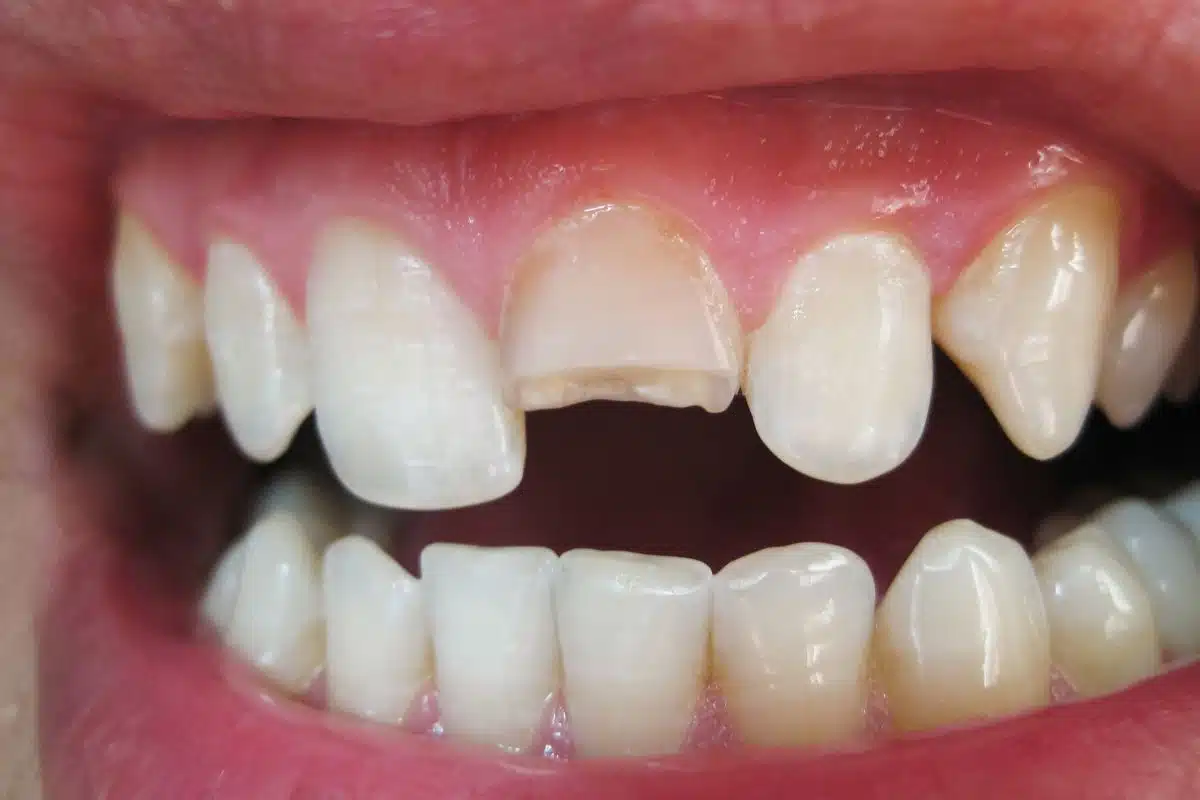
Can a Cosmetic Dentist Fix a Chipped Tooth in Just One Visit?

April 16, 2026
Can Gum Disease Really Make You Lose Your Teeth? What Portland Patients Should Know

April 6, 2026
Is a Bone Graft Necessary Before Your Dental Implant Procedure?

March 26, 2026