

September 16, 2025
Dental implants are a life-changing solution for restoring your smile and confidence. They look natural, feel comfortable, and can last for decades with proper care. But here’s the catch—your daily hygiene routine still matters, especially flossing. Many people in Portland with implants make small mistakes when flossing that can actually harm their gums or shorten the lifespan of their implants.
If you’ve invested in dental implants, avoiding these common flossing mistakes will help keep your smile strong, healthy, and beautiful.
Mistake #1: Thinking You Don’t Need to Floss Implants
A lot of people assume that because implants aren’t “real teeth,” they don’t need flossing. That’s not true. While implants won’t get cavities, bacteria can still build up around them and cause gum disease or peri-implantitis (infection around the implant). Whether you’re enjoying a food truck lunch in downtown Portland or a weekend brunch on Alberta Street, flossing is a must for keeping your gums healthy.
Mistake #2: Using the Wrong Type of Floss
Traditional waxed floss can shred or get stuck around dental implants, making it less effective and potentially irritating. Instead, opt for implant-safe floss, unwaxed dental tape, or tools designed for implants, like super floss or interdental brushes. These are gentle on your gums and effective at removing plaque.
Mistake #3: Flossing Too Aggressively
Snapping, flossing between your teeth, or tugging hard against the gum line can damage delicate gum tissue. This is especially risky with implants, as healthy gums keep them secure. The key is gentle, up-and-down motions that “polish” the sides of the implant instead of forceful scrubbing.
Mistake #4: Skipping Flossing Around Bridges or Multiple Implants
If you have a bridge supported by implants or multiple implants close together, flossing can feel tricky. Many Portland patients tell us they skip flossing in those hard-to-reach areas altogether, but bacteria thrive in those spots. Using floss threaders, super floss, or a water flosser makes cleaning these areas much easier and more effective.
Mistake #5: Relying Only on Brushing
Brushing twice daily is important, but your toothbrush simply can’t reach between your implants. If you only brush and skip flossing, plaque and food particles are left behind, which can lead to gum inflammation. Think of brushing as cleaning the surface, and flossing as cleaning the spaces your brush can’t touch.
Get Personalized Implant Care at Bethany Family Dental Portland
At Bethany Family Dental Portland, we don’t just place implants—we help you take care of them for life. If you’re unsure about your flossing technique or feel you may have picked up a few bad habits, our friendly dental team can walk you through the best implant flossing methods.
Schedule an appointment today, and let’s ensure that your implants (and your smile) stay healthy for years.
FAQs About Flossing with Implants
1. Can I use regular floss with implants?
Yes, but specialized implant floss or water flossers are often safer and more effective.
2. Is flossing necessary if I brush well?
Absolutely. Brushing cleans surfaces, but flossing removes bacteria between implants and gums.
3. Are water flossers better than string floss for implants?
Water flossers are gentle and effective, especially for people with multiple implants or sensitive gums.
4. How do I know if I’m flossing correctly?
Your gums should not bleed after regular use. If you are not sure, ask your dentist for a demo.
5. What happens if I don’t floss my dental implants?
Skipping flossing can lead to plaque buildup, gum disease, and implant failure over time.
Recent Posts
May 21, 2026
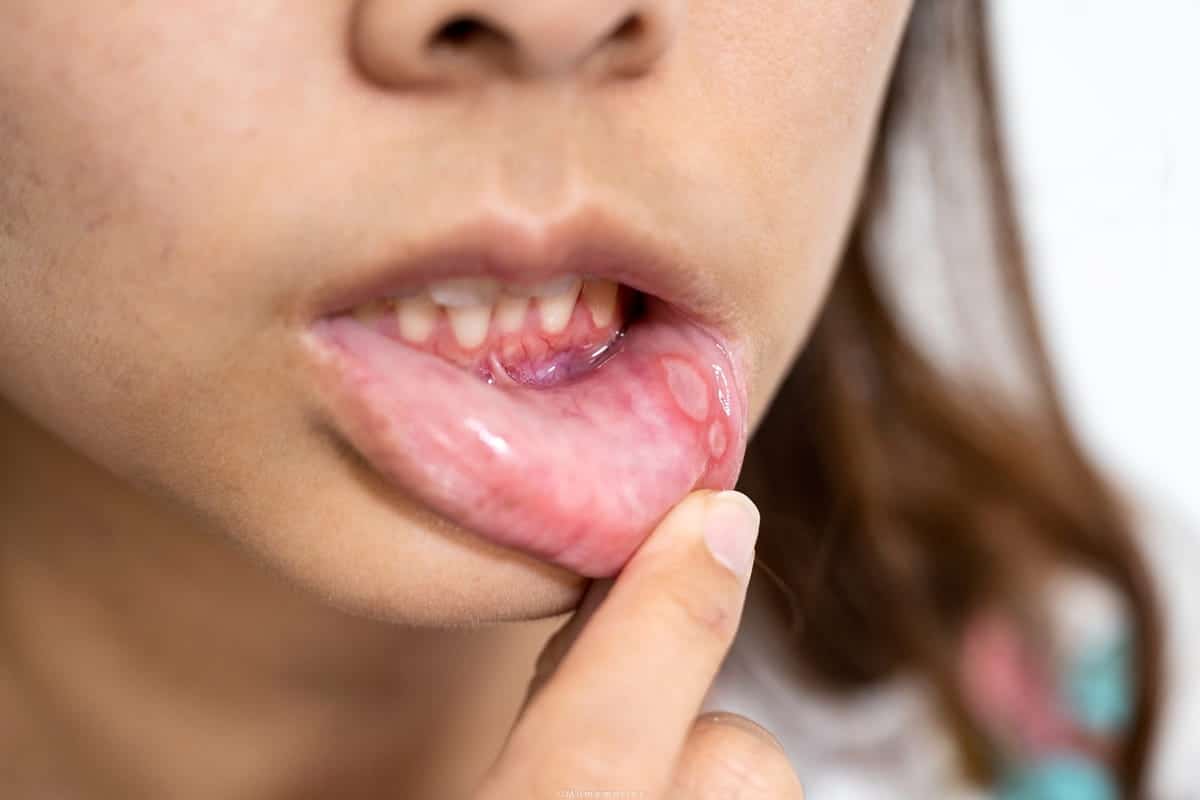
What Causes Cold Sores on Lips and How to Prevent Future Outbreaks

May 11, 2026
How To Heal Cavities In 2 Days At Home

May 6, 2026
Why Is My Tongue White? Causes, Symptoms, and Treatments

April 30, 2026
How to Stop Tooth Pain Fast: Homemade Remedies and Expert Advice
April 23, 2026